
What is syndication and how angels invest together
By TechAngels · Published 17 July 2026
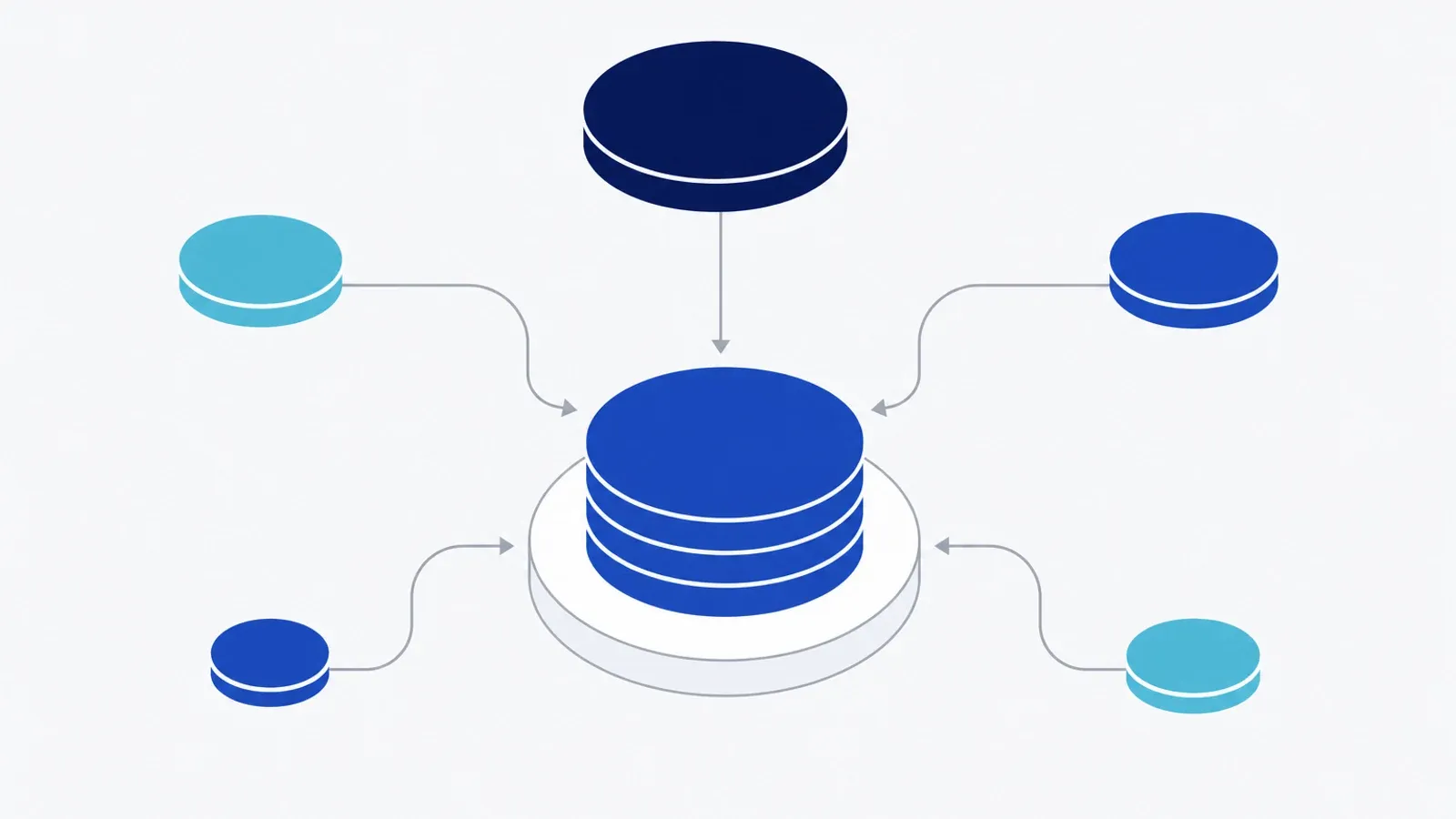
Angel syndication is coordination, not collective decision-making. Several investors join the same financing round, usually using one set of commercial terms, while each decides whether to invest and remains responsible for that decision.
Consider a €150,000 round. One angel is willing to invest €30,000 and coordinate the deal. Six others commit €20,000 each. The company reaches its target without one person carrying the full exposure. That simple arithmetic explains why syndicates are common at pre-seed and seed.
What the lead actually does
“Lead investor” can describe very different levels of work, so the group should agree on the role rather than rely on the title. A lead may:
- coordinate questions and information requests;
- examine the company more closely and organise specialist help;
- negotiate the valuation, instrument and investor rights;
- collect commitments and keep the closing timetable moving;
- act as the main investor contact after the round.
Other investors should read the analysis and legal documents themselves. Shared diligence reduces repetition; it does not transfer liability or judgement to the lead. The due-diligence guide sets out a practical division of work.
Side letters and different rights sometimes exist, particularly when investors contribute different amounts or strategic value. Founders should ask directly whether everyone is investing on identical terms and disclose any variation that affects the round. “Syndicated” should not be used to imply uniformity that the documents do not contain.
Direct holdings and pooled vehicles
The legal structure determines whether the founder ends up with one shareholder or many.
| Structure | Cap table | Operational consequence |
|---|---|---|
| Direct holdings | Every angel owns shares or the convertible instrument directly | More signatures and shareholder administration; each investor’s rights are visible directly |
| Pooled vehicle or SPV | One entity holds the investment for the participating angels | Cleaner company cap table; additional costs, governance, reporting and tax questions inside the vehicle |
A lead investor and a common term sheet do not, by themselves, create a single legal counterparty. In a direct-holdings structure, each angel still signs and appears separately. In an SPV structure, the company usually deals with the vehicle while the participating investors’ relationships are governed inside it.
Romanian investors should obtain advice on the vehicle’s legal form, management, tax treatment, beneficial-ownership reporting and the way proceeds will be distributed. An SPV is not automatically simpler once those obligations and costs are included.
What founders should settle before signing
The founder should know the total committed amount, the minimum closing amount and whether one investor’s withdrawal can stop the round. The documents should also identify who may give consents, how information reaches the group and whether signatures can be coordinated for future shareholder decisions.
Ask who will remain the day-to-day contact. Ten investors sending separate requests can consume more founder time than the capital warrants. Conversely, routing everything through a lead can deprive other investors of information they are legally entitled to receive. The reporting arrangement should match the signed rights.
The value of a group also depends on its composition. Several relevant operators can provide different customer, hiring or technical perspectives. A long list of investors who all expect the founder to organise their involvement is an administrative burden, not “smart money.”
How it works in TechAngels
TechAngels introduces screened companies to members who may then form a group around a deal. The association is not the investing entity. Interested members determine their own commitments, organise further analysis and decide how to document the round.
The network reports an average individual investment of roughly €13,000–€20,000 per angel per deal. That figure explains why a company seeking an amount near the upper end of TechAngels’ €10,000–€200,000 round range may need several participants; it does not prescribe the number of investors or the structure.
An investor considering this approach should understand both the portfolio consequences and the network’s membership model. A founder should examine the cap-table outcome and the exact term sheet, not rely on the reassuring sound of “one syndicate.”